Top 10 Types of Packaging Film for Your Products Needs?
In today's dynamic market, selecting the right packaging film is crucial for product success. Packaging film protects goods, enhances their appeal, and ensures freshness. However, not all films are created equal. Each type serves different needs and product categories.
Choosing the best packaging film can be a daunting task. Options include stretch film, shrink film, and biodegradable film. Each has unique properties and benefits. For instance, stretch film provides great strength, while biodegradables appeal to eco-conscious consumers. The choice can impact costs and sustainability.
Many businesses struggle with making the right selection. Some may prioritize aesthetics over function. Others might overlook the long-term implications of their choices. The ideal packaging film is not only about appearance; it also influences storage, distribution, and customer satisfaction. Understanding these factors is vital for any product's journey from manufacturer to consumer.
Types of Packaging Films Based on Material Composition
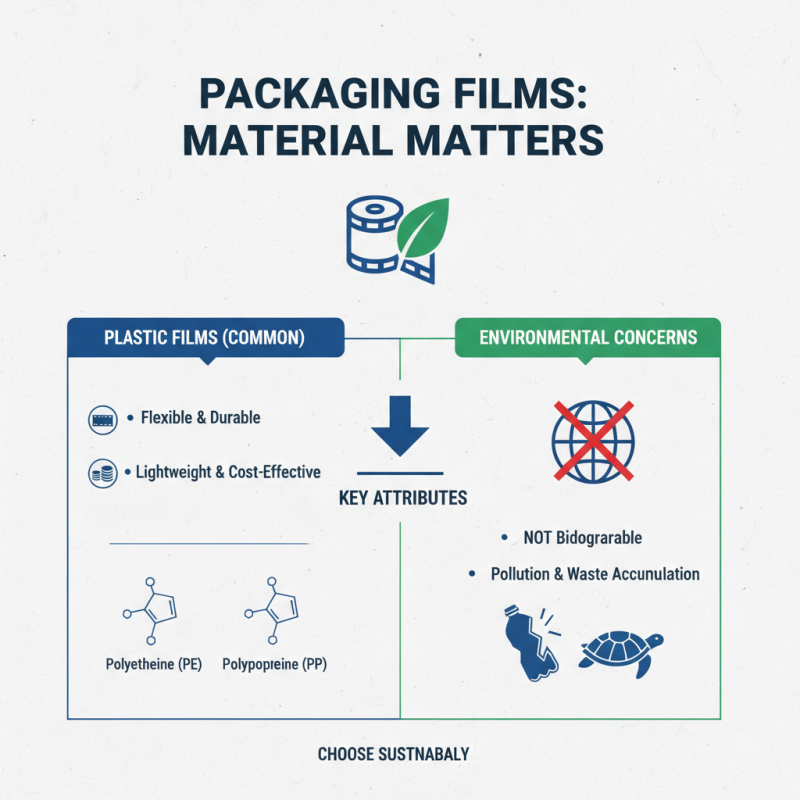
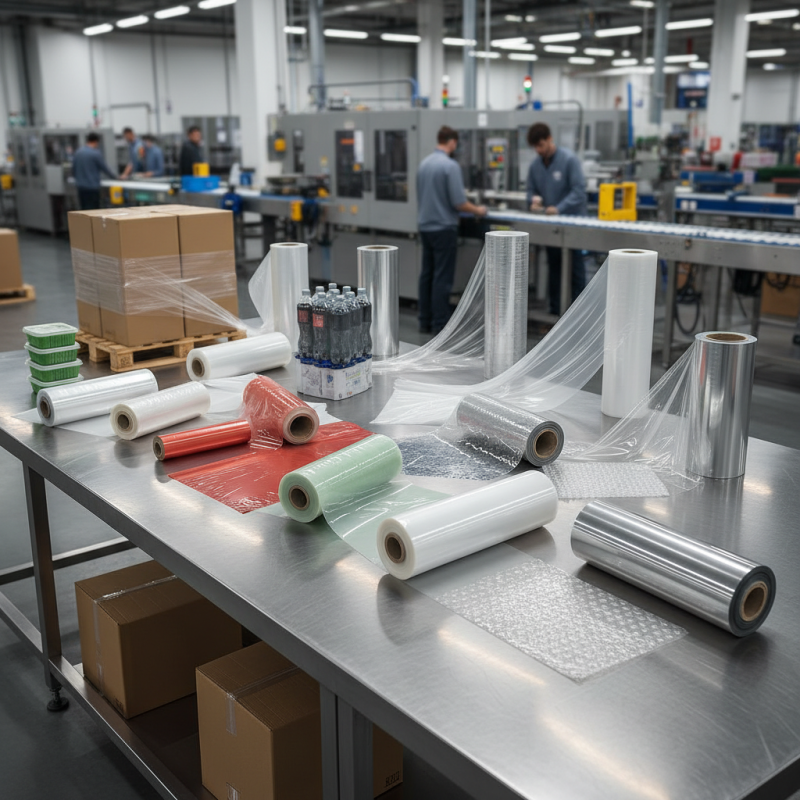
When choosing packaging films, material composition plays a crucial role. Plastic films are the most common choice. They offer flexibility and durability. Common types are polyethylene and polypropylene. These materials are lightweight and cost-effective. However, they may not be biodegradable. This raises environmental concerns.
Paper-based films are another option. They provide a natural look and are recyclable. Consumers appreciate eco-friendly choices. However, paper lacks moisture resistance. This limits its use for certain products. There are also bioplastic films. These are made from renewable resources. While they are better for the environment, they can be more expensive.
Metal films, like aluminum, stand out for their ability to protect contents. They block light, moisture, and oxygen. But handling these materials might be less convenient. Each type of packaging film has strengths and weaknesses. It’s essential to assess your specific needs carefully. You will need to weigh factors like protection, sustainability, and cost.
Benefits of Using Flexible Packaging Films for Products
Flexible packaging films have become essential for various industries. According to a report by Smithers PIRA, the flexible packaging market is expected to reach $250 billion by 2023, driven by its versatility. These films are lightweight and create barriers against moisture and air, extending product shelf life significantly. This feature is crucial for food and pharmaceutical products, reducing waste and increasing consumer satisfaction.
Moreover, flexible films can be customized easily for different shapes and sizes. They are made from materials like polyethylene and polypropylene, which often use fewer resources to produce. While this brings environmental benefits, some manufacturers struggle with recycling processes. Not all flexible packaging is recyclable, which can lead to confusion among consumers. Industry estimates suggest that only 9% of plastic waste is recycled globally, indicating a pressing issue for sustainability.
Implementing flexible packaging films can enhance branding through vivid graphics and designs. However, companies need to balance aesthetics with functionality. Some films might not offer the necessary strength or durability, risking product integrity. As businesses explore flexible packaging options, they must consider both innovation and the broader environmental impact. Engaging consumers in understanding the packaging lifecycle is essential for future progress in sustainability.
Top 10 Types of Packaging Film for Your Products Needs
| Type of Packaging Film |
Material |
Key Benefits |
Common Applications |
| Polyethylene (PE) |
LDPE, HDPE |
Water-resistant, Durable |
Food packaging, Pallet wrap |
| Polypropylene (PP) |
BOPP |
Lightweight, High clarity |
Snacks, Bakery goods |
| Polyvinyl Chloride (PVC) |
PVC |
Good barrier properties |
Medical supplies, Retail |
| Cellophane |
Regenerated cellulose |
Biodegradable, High transparency |
Confectionery, Spirits |
| Polyester (PET) |
BOPET |
High strength, Heat resistant |
Beverages, Snack food |
| Metalized Films |
Foil |
Excellent barrier properties |
Coffee, Chips |
| Stretch Films |
LLDPE |
Strong cling, Excellent load containment |
Pallets, Bundling |
| Shrink Films |
PVC, Polyolefin |
Tamper-evident, Versatile |
Multi-packs, Gift sets |
| Barrier Films |
Various |
Long shelf life, Oxygen and moisture barrier |
Meat, Cheese |
| Biodegradable Films |
PLA, PHA |
Eco-friendly, Compostable |
Produce, Bakery |
Key Considerations When Selecting Packaging Film Thickness
Choosing the right thickness for packaging film is crucial. It directly affects product safety and shelf life. Thicker films usually provide better protection against physical impacts. However, they can be harder to work with during packaging.
The ideal thickness often depends on the product type. For fragile items, using thicker film is wise. This prevents damage during transport. In contrast, lighter products can often do well with thinner films. Thinner materials can reduce costs but might compromise protection.
Pay attention to sustainability. Thicker films consume more resources, impacting the environment. Balancing thickness with eco-friendliness is challenging. It requires careful thought on what matters most. Always reflect on how your choice affects both the product and the planet.
Common Applications of Packaging Films Across Various Industries
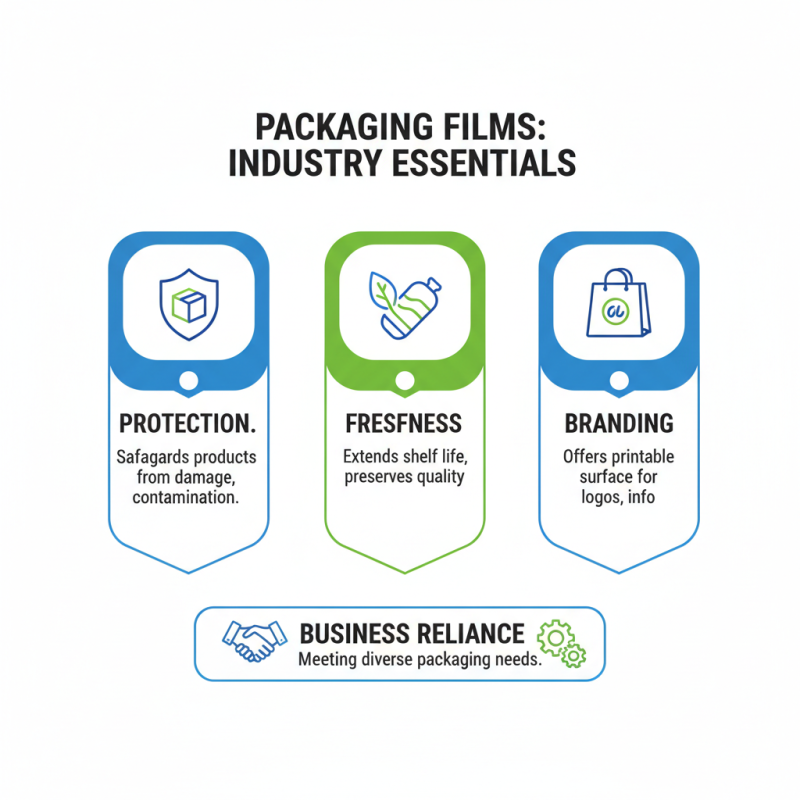
Packaging films play a crucial role in various industries. They protect products, maintain freshness, and provide branding opportunities. Many businesses rely on these films to meet their packaging needs effectively.
In the food industry, flexible packaging films are popular. They keep snacks crispy and fruits fresh. Imagine a bag of chips that stays crunchy for days. However, not all films are recyclable. This raises questions about environmental impact. Companies should evaluate their choices carefully.
Pharmaceuticals also utilize packaging films. They ensure medicines remain effective and safe. Blister packs are common in this field. Yet, some films can be challenging to open. This user experience issue needs addressing. In the beauty industry, packaging films offer eye-catching designs. They enhance product visibility on shelves. But, excessive packaging may lead to waste. Finding a balance is essential for sustainability.
Sustainability Trends in Packaging Film Choices and Innovations
In recent years, sustainability has taken center stage in the packaging film industry. Many companies are now focusing on eco-friendly materials. Biodegradable films are gaining popularity. These films reduce waste and offer a greener alternative to traditional plastics. However, some of these options may still lack durability. Finding the right balance between sustainability and performance remains a challenge.
Innovations in packaging film also include the rise of recycled materials. This approach minimizes environmental impact. Yet, the quality and appearance of recycled films can vary significantly. Some brands might struggle to maintain a premium look. Education on proper recycling practices is still necessary. Consumers need clear guidance on how to dispose of these films correctly, ensuring they actually contribute to recycling efforts.
Another trend involves compostable films. These offer a responsible disposal option. But not all compostable films break down effectively in every environment. Many still end up in landfills, presenting an ironic dilemma. Transparency is crucial in this evolving landscape. As companies innovate and adapt, it's essential to keep evaluating the actual benefits of these choices.