What is a Plastic Bottle Cap and Its Importance in Packaging?
The Plastic Bottle Cap plays a crucial role in packaging. It serves as the final barrier, ensuring product safety and freshness. Often overlooked, this small component has a significant impact on consumer experience. With various designs and materials, plastic bottle caps are tailored for different beverages and products.
Its importance extends beyond functionality. A well-designed cap can enhance the usability of the bottle. Many users appreciate the ease of opening and resealing. However, not all caps perform equally. Some may crack or fail to secure properly, leading to leaks. This inconsistency raises concerns about reliability.
Moreover, the environmental impact of Plastic Bottle Caps cannot be ignored. Many end up in landfills, contributing to pollution. Innovations in materials could address these issues. Overall, the Plastic Bottle Cap is a critical element in packaging, demanding thoughtful consideration from manufacturers and consumers alike.
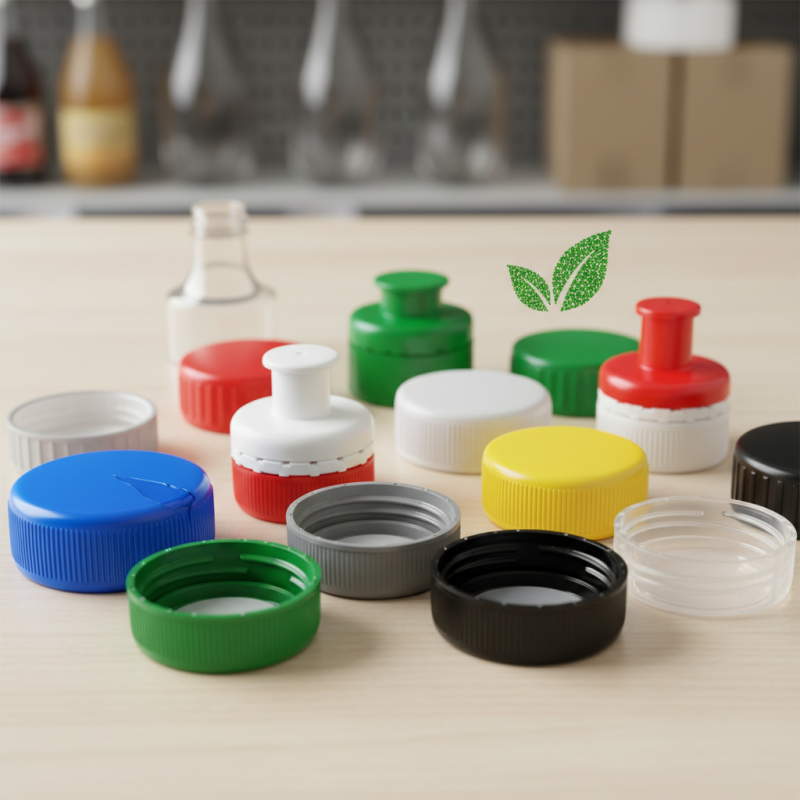
The Definition and Functionality of Plastic Bottle Caps in Packaging
Plastic bottle caps play a crucial role in packaging. They are more than just closures. Their primary function is to secure the contents within the bottle, preventing spills and contamination. This simple component also ensures the product's integrity. For instance, a well-designed cap creates a tight seal. This protects liquid from exposure to air and contaminants.
Additionally, plastic caps allow for convenience in usage. Many caps feature a flip-top design or a sport spout, enabling easy pouring or sipping. These functionalities enhance user experience and accessibility. However, not all caps are designed equally. Some may lack durability, leading to leaks. This can cause waste and quality issues.
The materials used for plastic caps are also significant. Most are made from polyethylene or polypropylene. These materials provide strength and flexibility. Yet, they also contribute to environmental concerns. The challenge lies in finding a balance between functionality and sustainability. It's a complex issue that requires ongoing reflection and innovation in packaging design.
The Role of Plastic Bottle Caps in Ensuring Product Safety and Freshness
Plastic bottle caps play a crucial role in ensuring product safety and freshness. They serve as a barrier against contaminants. Without a proper seal, air and bacteria can compromise the contents. Consider how often we pop open a bottle for a refreshing drink. If the cap is unreliable, the entire product's integrity is at risk.
The design of plastic caps is engineered for security. Many include tamper-evident features. This means consumers can trust that the product hasn’t been altered. Yet, despite these advancements, not all caps perform equally. Some may crack or become loose over time. This leads to potential spills or spoilage. It’s essential for manufacturers to prioritize quality control in cap production.
Moreover, the sustainability of plastic bottle caps is a concern. While they are designed to last, they often end up in landfills. This raises questions about their long-term impact on the environment. Education about recycling and proper disposal is vital. We must reflect on our habits and seek better practices. While plastic caps are small, their role in packaging cannot be overstated.
Importance of Plastic Bottle Caps in Packaging
Materials Used in Manufacturing Plastic Bottle Caps: An Industry Overview
Plastic bottle caps play a critical role in packaging. They ensure product safety and maintain freshness. To achieve these essential functions, manufacturers use various materials for production.
Common materials include polypropylene and polyethylene. Polypropylene is lightweight and durable, making it a popular choice. It resists chemical reactions, ensuring the contents remain uncontaminated. Polyethylene, on the other hand, offers flexibility and a sealed fit. This material can withstand extreme temperatures, adding to its appeal.
However, the industry faces challenges. The reliance on single-use plastics raises environmental concerns. Many companies are seeking more sustainable alternatives. Biodegradable options are emerging but require extensive research. Overall, while the materials used in plastic bottle caps serve vital functions, the industry must evolve toward more eco-friendly practices.
Market Trends: The Growth and Demand for Plastic Bottle Caps in Packaging
The plastic bottle cap market is witnessing a significant surge. According to a recent report by Grand View Research, the global plastic bottle cap market size was valued at USD 25.9 billion in 2022 and is expected to grow at a CAGR of 4.5% from 2023 to 2030. This growth reflects the increasing demand across various sectors, including beverages and pharmaceuticals.
The rise in bottled beverage consumption drives this trend. For instance, the beverage industry alone accounted for over 50% of the market share in 2021. With health consciousness on the rise, more consumers are opting for plastic bottled products. Additionally, innovations in packaging materials enhance the functionality of plastic bottle caps, making them more effective in preserving product quality.
Tips: Choose suppliers with a proven track record. Verify their adherence to quality standards. Also, consider using biodegradable caps to meet eco-friendly demands.
Despite this growth, challenges remain. Many manufacturers struggle with recycling efficiency. The recycling rates for plastic caps remain low compared to other materials. Education and infrastructure investment are crucial to enhance recycling processes. Improvements here are essential for sustainability in packaging solutions.
Environmental Impact and Innovations in Sustainable Bottle Cap Designs
Plastic bottle caps play a crucial role in packaging. They protect liquid contents and ensure safety during transportation. However, their environmental impact is significant. Reports indicate that approximately 1 million plastic bottles are sold every minute. This generates vast amounts of waste, particularly from caps. Studies show that only 9% of plastic waste is recycled globally. The majority ends up in landfills or oceans, posing threats to wildlife.
Innovations in sustainable bottle cap designs are emerging as a response to this crisis. For example, companies are developing biodegradable options. These caps can break down in months, unlike traditional plastic caps, which can take hundreds of years. Some organizations have introduced caps made from recycled materials, aiming to reduce overall plastic consumption.
Nevertheless, challenges remain. The lack of recycling infrastructure in many regions hampers these efforts. Many consumers are not aware of the best practices for disposing of bottle caps. Education is needed to encourage responsible behaviors. Simple changes in design or material can lead to significant environmental benefits. The path to sustainability is not straightforward, but every improvement counts.
What is a Plastic Bottle Cap and Its Importance in Packaging? - Environmental Impact and Innovations in Sustainable Bottle Cap Designs
| Dimension | Information |
| Material Types | Polypropylene (PP), Polyethylene (PE), Biodegradable Plastics |
| Common Sizes | 28mm, 38mm, 43mm |
| Recycling Rate | 30% of plastic bottle caps are recycled globally |
| Environmental Impact | Contributes to marine pollution, takes hundreds of years to decompose |
| Innovative Materials | Use of bio-based materials and recycled plastics |
| Future Trends | Focus on circular economy and sustainable packaging solutions |