10 Essential Tips for Designing Effective Packaging Labels
In today's competitive market, effective packaging labels play a crucial role in attracting consumers. Renowned packaging expert Jane Smith once said, "A label is the first impression. It tells your story." This sentiment highlights the significance of thoughtful design in packaging labels.
A well-designed label communicates the brand's identity and purpose instantly. Colors, fonts, and images must work harmoniously. However, many brands still overlook these aspects. For instance, some labels become cluttered and hard to read. Streamlining the design can enhance visibility and consumer interest.
Moreover, labels should reflect quality and craftsmanship. Shiny finishes might look appealing but can detract from the product’s value. Inconsistencies in design can confuse customers. Effective packaging labels should not only attract attention but also build trust. Rethinking your design strategy could open new opportunities.
Understanding Your Target Audience for Packaging Labels
Understanding your target audience is crucial when designing packaging labels. You must know who will use your product. Are they young consumers or adults? Do they prefer modern aesthetics or classic designs? Each demographic responds differently to visual and textual elements. Gathering this information can guide your design choices effectively.
Consider the emotional triggers of your audience. Bright colors may attract children, while sleek lines might appeal to professionals. Think about the language used as well. Simple words work well for a broader audience, while niche terminology might resonate with a specialized group. You might find some designs just don't hit the mark. Perhaps the font is too fancy or the colors clash. It’s essential to test your designs with actual consumers. Feedback is invaluable and can lead to unexpected insights.
Failing to consider your audience can lead to wasted resources and missed opportunities. You might create a beautiful label that no one understands. That’s the risk. Being aware of your target audience will help mitigate that risk. The right label can transform perception and drive sales. Always keep your audience at the forefront of your design process.
Choosing the Right Materials for Packaging Label Design
Choosing the right materials for packaging label design is critical. According to a study by Smithers Pira, packaging influences consumer decisions about 70% of the time. It’s not just about looks; materials play a significant role in durability and brand perception. For instance, eco-friendly materials can appeal to environmentally conscious customers.
When selecting packaging label materials, consider the product type. If your product is perishable, use materials that can withstand moisture. For non-food items, sturdier materials can enhance the label's longevity. Always test your labels under various conditions. Colors might fade or materials may tear, impacting your product's appeal.
Tip: Opt for materials that align with your brand values. A sustainable approach can attract new customers and retain existing ones. Remember, clarity is key. Labels should be easy to read. A cluttered design can confuse shoppers and hurt sales.
Reflect on these factors continuously. The landscape of packaging and consumer preferences changes. What worked last year might not resonate now. Keep experimenting and adapting to stay relevant.
Incorporating Brand Identity into Packaging Labels
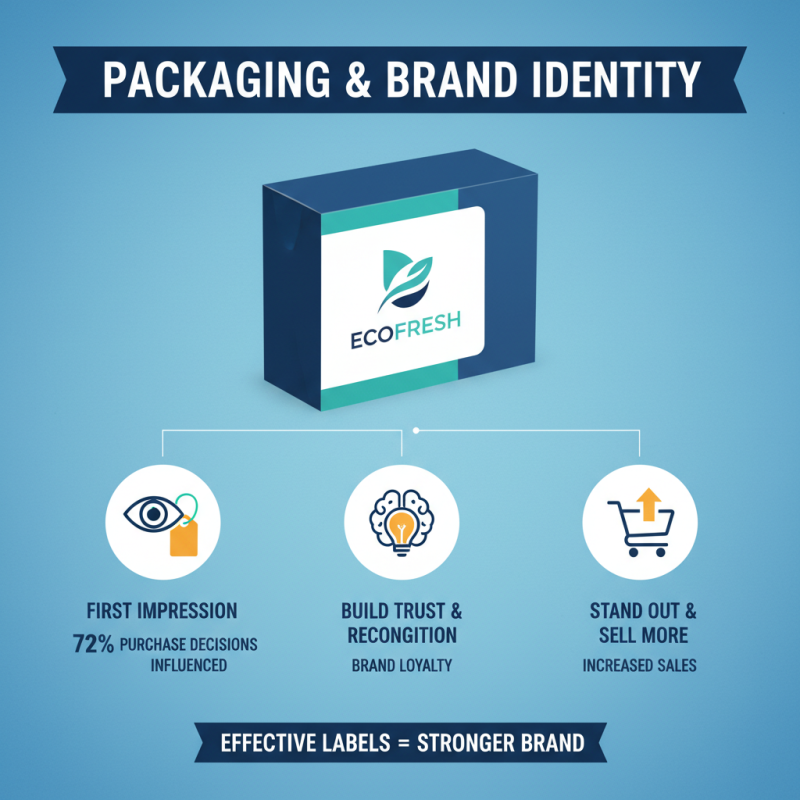
Effective packaging labels play a crucial role in brand identity. When consumers look at a product, the label is often their first interaction with the brand. According to a recent study, 72% of consumers say that packaging design influences their purchase decisions. Thus, integrating brand identity into labels is essential for making a strong impression.
One tip for achieving this is to ensure color consistency across all packaging. Specific colors evoke emotions and can solidify brand recognition. For example, studies show that colors can increase brand recognition by up to 80%. Choose colors that reflect your brand's personality. Additionally, font style should align with your image. A playful brand may opt for fun, casual fonts, while a luxury brand might choose elegant serif types.
Moreover, imagery should reflect your core message. Carefully selected images can communicate your brand story effectively. For instance, an organic brand should use earthy tones and nature-inspired graphics. This alignment enhances authenticity in the eyes of consumers. It’s vital to step back and evaluate whether your packaging truly meets these criteria. Consumers value authenticity, and dissonance between label design and actual product experience can lead to distrust. Reflect on your choices and pivot if necessary.
Utilizing Color Psychology in Label Design
Color psychology plays a crucial role in packaging label design. Colors evoke emotions and influence purchasing decisions. For instance, red can create a sense of urgency. It grabs attention and stimulates appetite. On the other hand, blue conveys trust and dependability. It's often used in products aiming for a more professional look.
When designing labels, consider your target audience. Different cultures interpret colors uniquely. While green may symbolize nature in one culture, it could represent jealousy in another. This complexity can lead to misinterpretations. Testing colors within your demographic can provide valuable insights. Don't overlook this step; the wrong color could alienate potential customers.
Moreover, using too many colors can overwhelm consumers. Stick to a simple palette that reflects your brand personality. But, simplicity can sometimes feel generic. Striking the right balance is essential. Regularly revisiting design choices helps refine approaches. This reflection can lead to a more effective and engaging label design.
Ensuring Compliance with Regulatory Requirements on Labels
When designing packaging labels, regulatory compliance is critical. Many businesses overlook this aspect, risking penalties. Recent studies show that over 30% of companies were cited for label non-compliance in 2022. Compliance ensures that labels clearly communicate necessary information, such as ingredients, usage instructions, and safety warnings.
Labeling requirements vary by region and product type. For example, the FDA mandates that food labels contain specific nutrition facts. Mislabeling can confuse consumers. Over 50% of shoppers rely on labels to make informed choices. Inaccurate labeling can damage trust and lead to poor sales. It also raises ethical concerns.
Consider user experience. Labels must be readable and easy to understand. Complex language or small fonts deter consumers. Research indicates that products with clear labels see a 15% increase in sales. Furthermore, regular reviews of compliance regulations are essential. Regulations evolve, and failing to adapt can result in costly errors. Labels are not just an obligation; they are a chance to connect with consumers.