How to Choose the Right Packaging Paper for Your Needs?
Choosing the right packaging paper is crucial for businesses. Richard Green, a leading expert in the packaging industry, states, "The right paper can elevate your product’s presentation." When selecting packaging paper, you must consider factors like durability, weight, and design.
Many businesses overlook the importance of these factors. Each choice impacts shipping costs, product safety, and customer satisfaction. For instance, lightweight paper may save money but could lead to damages. In contrast, heavier paper offers protection but may increase expenses.
Getting it right requires reflection on your specific needs. Think about your product and brand image. Sometimes, the best choice is not immediately clear. Exploring various options can lead to the perfect packaging paper for your products.
Identifying Your Packaging Needs and Objectives
Identifying packaging needs is crucial for businesses. The right packaging paper can impact product protection, cost, and customer perception. According to a recent study by the Freedonia Group, the demand for sustainable packaging has surged. Consumers are increasingly favoring eco-friendly products. In fact, 74% of consumers are willing to pay more for sustainable packaging options.
Understanding your specific objectives can streamline your choices. If protection is key, thicker paper with high tensile strength might be necessary. For products that require a more appealing presentation, consider customized designs. A report by Smithers Pira indicates that custom packaging is projected to grow by 4% annually. However, many businesses still hesitate. Some may stick to standard materials that don’t align with their brand values.
Cost analysis plays a vital role. Investing in quality materials can lead to reduced damage rates. Yet, some companies opt for cheaper alternatives, risking their brand reputation. Additionally, it’s important to evaluate how the paper affects shipping costs. Lightweight paper can save on freight, but may not offer adequate protection. Recognizing these factors can lead to informed decisions that meet both budget and functional needs.
Exploring Different Types of Packaging Paper Available
Choosing the right packaging paper is crucial. Many options are available, each catering to different needs. Kraft paper is widely used for its durability and eco-friendliness. Many businesses prefer it for shipping and gift wrapping. Reports show that the global market for Kraft paper is expected to grow by 4.5% annually.
Recycled paper is another option. It is a sustainable choice that can meet various requirements. While it may not have the same strength as Kraft, its versatility is commendable. According to recent studies, over 50% of companies are now focusing on using recycled materials. This shift highlights a growing awareness of sustainable practices in the industry.
Tips: Always consider the weight capacity when choosing paper. Lighter papers may be cheap but can fail during transit. For fragile items, opt for heavier, more protective materials. It’s essential to test different types before making a bulk purchase. Small mistakes can lead to damage and loss. Ensure you know what your products need. Don't rush the decision—take time to evaluate.
How to Choose the Right Packaging Paper for Your Needs? - Exploring Different Types of Packaging Paper Available
| Type of Packaging Paper |
Main Uses |
Strength |
Environmentally Friendly |
Cost |
| Kraft Paper |
Shipping boxes, bags, and wraps |
High |
Yes |
Low |
| Newsprint Paper |
Cushioning fragile items, packing |
Moderate |
Yes |
Very Low |
| Bleached Paper |
Gift wrapping, food packaging |
Low to Moderate |
Depends on source |
Moderate |
| Paperboard |
Boxes, packaging for consumer products |
High |
Yes |
Moderate to High |
| Recycled Paper |
General packaging, fillers |
Moderate |
Yes |
Low |
Assessing the Properties and Benefits of Various Paper Materials
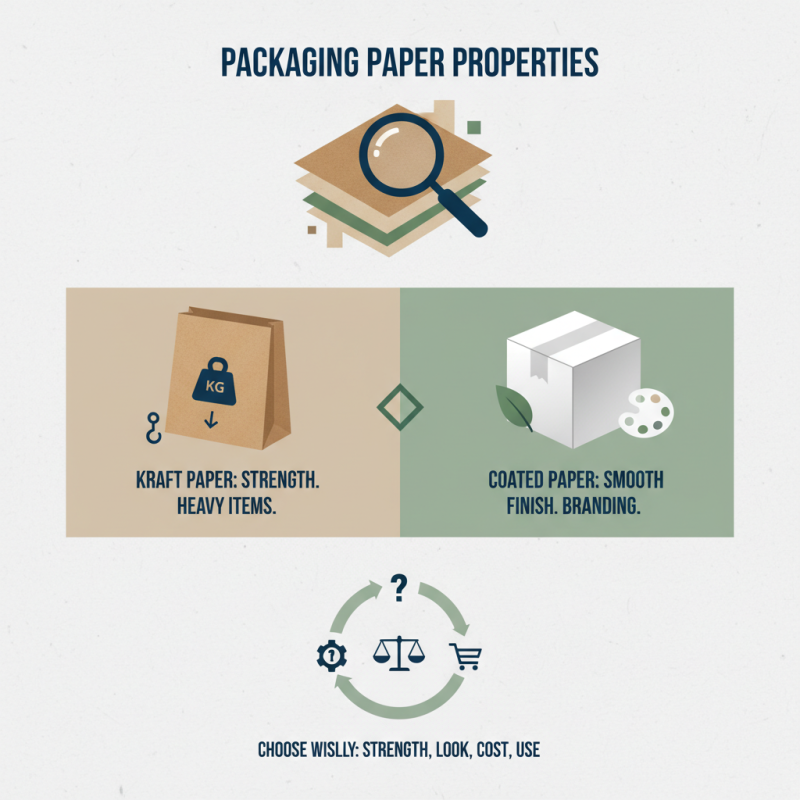
Choosing the right packaging paper requires careful consideration of its properties. Each type of paper offers unique benefits and limitations. For example, kraft paper is known for its strength. It is ideal for heavy items. However, its natural, brown appearance might not suit all branding needs.
Recycled paper is an eco-friendly option. It can be lightweight and easy to fold. Yet, it might lack the durability required for certain products. In contrast, coated paper offers a smooth finish. It enhances print quality but can be less environmentally friendly. Balancing these properties with your product’s demands is crucial.
Customization can be tricky. You may need a paper that looks good and performs well. Choosing a paper that doesn't meet your needs could lead to issues later. Testing various options before making a final decision helps avoid mistakes. Remember, the paper choice reflects your values and product quality.
Determining Cost-Effectiveness and Environmental Impact
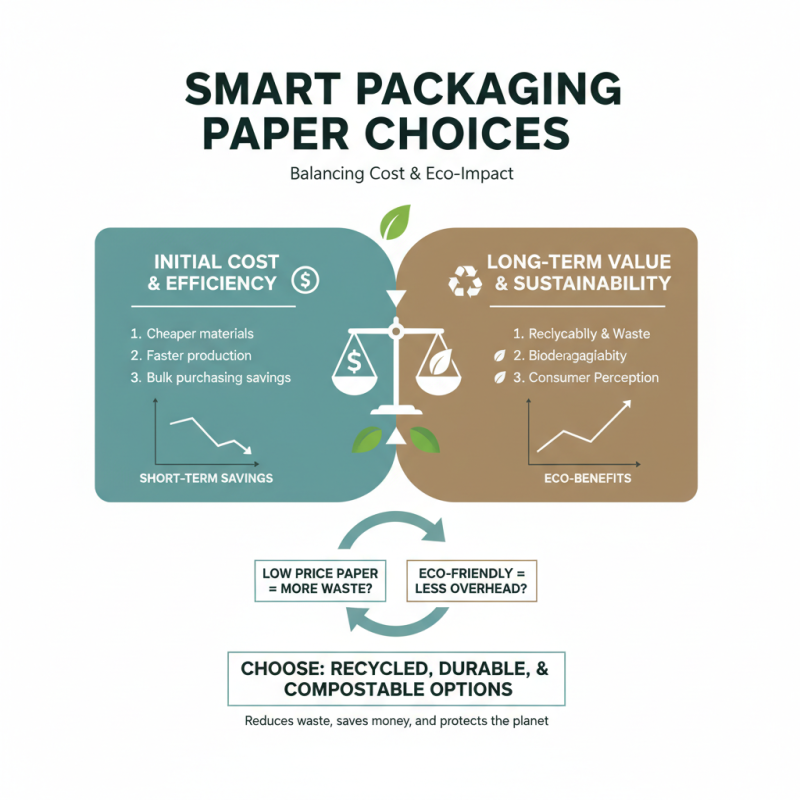
Choosing the right packaging paper can seem straightforward. However, it involves considering both cost-effectiveness and environmental impact. Some papers may be cheaper initially but can cost more in the long run, especially when factoring in waste disposal and recycling issues.
Evaluating the environmental impact of your packaging is essential. Look for materials that are recyclable or made from recycled sources. This approach can help reduce landfill waste and lessen your carbon footprint. Not all packaging papers are created equal. Some may seem eco-friendly but are not truly sustainable. Researching certifications can guide you in making better choices.
Tips:
- Always compare prices and quality before purchasing. Sometimes, a slightly higher cost results in better durability.
- Check local recycling guidelines to see how the paper will be disposed of, as regulations vary by location.
- Remember, being eco-friendly can enhance your brand image. Consider not only the cost but also the message your packaging sends to consumers.
Choosing the Right Size and Thickness for Your Packaging Paper
Choosing the right size and thickness of packaging paper is crucial for effective shipping. The size must match your products perfectly. If it’s too big, the items may shift during transport. If it's too small, it might not offer enough protection. Measure your products carefully. Consider their dimensions and weight. This helps eliminate excess material.
Thickness matters just as much. Thicker paper provides better durability. It can handle heavier items without tearing. However, if your product is lightweight, thicker paper might be overkill. It could increase costs without adding value. Assess the types of items you ship regularly. Are they fragile or sturdy? This can guide your thickness choice.
Sometimes, mistakes happen. You might choose the wrong size out of haste. Or perhaps opt for thickness based on guesswork. These errors can lead to damages, affecting your business. Reflecting on past choices can help. Learn from what hasn’t worked. Adjust your strategy next time for better results.
Choosing the Right Size and Thickness for Your Packaging Paper