2026 Top Trends in Protective Packaging Innovations and Materials?
As we look ahead to 2026, protective packaging stands at the forefront of innovation. This sector is projected to grow significantly, with a report from MarketsandMarkets estimating a market value increase from $40 billion in 2021 to over $69 billion by 2026. This substantial growth reflects the rising demand for sustainable, efficient, and protective materials across various industries.
Recent trends reveal a clear shift towards eco-friendly packaging solutions. Consumers are driving this change, seeking brands that prioritize sustainability. Notably, bioplastics and biodegradable materials are gaining traction. A study by Smithers Pira highlights that by 2026, the share of sustainable packaging will increase to over 30% of the market. However, while companies innovate, they must also address challenges. The balance between protection and environmental impact remains a point of reflection.
Additionally, advancements in smart packaging technology are transforming the protective packaging landscape. Features such as temperature control and tamper-evidence are now becoming standard. Yet, these innovations require careful implementation. Companies must weigh costs against benefits and consider consumer acceptance. As we move toward 2026, the protective packaging industry faces exciting possibilities and complex hurdles.

Emerging Materials in Protective Packaging for 2026
As we approach 2026, the world of protective packaging is evolving rapidly. Emerging materials play a crucial role in this transformation. Sustainable options are becoming more prominent. Biodegradable films and recycled materials are gaining traction. These innovations offer eco-friendly solutions without compromising quality.
Recyclable packaging is also on the rise. Smart packaging technology, like sensors, enhances safety. This allows businesses to monitor products in real-time. However, challenges remain. Not all materials are equally effective. The balance between protection and environmental impact is delicate.
Some materials lack durability under certain conditions. For instance, excessive moisture can weaken structures. Companies must embrace innovation with caution. Testing and adjustments are essential. No single solution will fit every need. The quest for the ideal protective packaging continues. Emergence of new materials presents both potential and pitfalls. The journey to 2026 promises growth and a chance for improvement.
Sustainable Innovations in Protective Packaging Solutions
The protective packaging industry is experiencing a significant shift towards sustainable innovations. Recent reports show that 74% of consumers are increasingly concerned about packaging waste. This consciousness is driving brands to explore eco-friendly materials. These materials include biodegradable plastics and recycled fibers. They not only reduce environmental impact but also appeal to eco-conscious consumers.
Interestingly, some sustainable options may lack durability. For instance, while paper-based packaging is recyclable, it may not provide the same level of protection as traditional plastics. This presents a challenge for companies that require robust protective solutions. Additionally, the cost of sustainable materials can be higher, which may deter some businesses from making the switch. However, the long-term environmental benefits often outweigh these initial drawbacks.
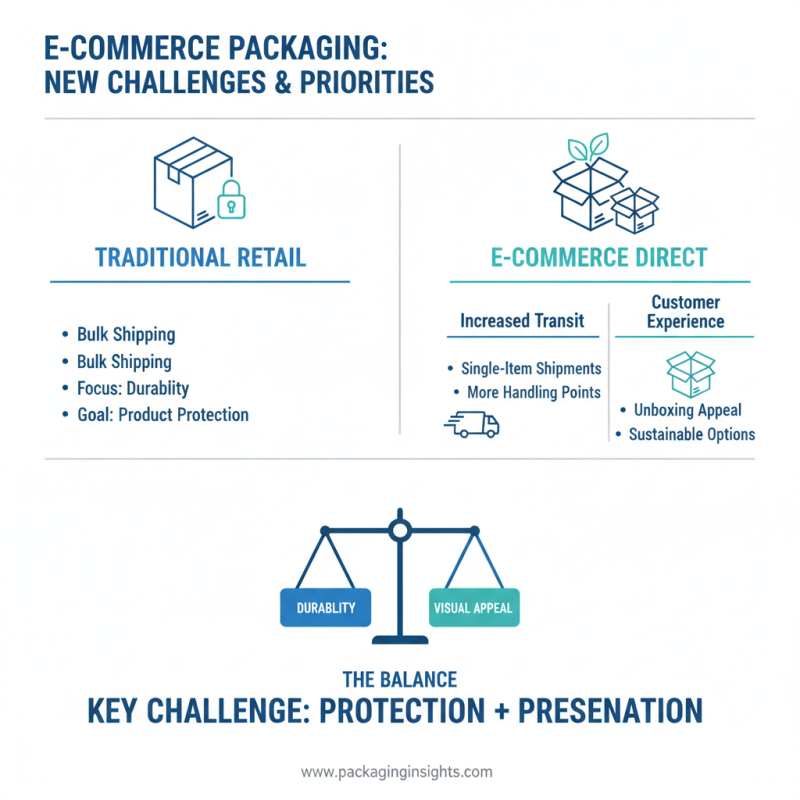
Innovations in this area include the development of plant-based foams and mushroom packaging. These materials are gaining traction, particularly in e-commerce, where safe shipping is crucial. Despite these advances, some manufacturers find it difficult to scale production of sustainable materials. This hesitation can slow down the overall transition to greener packaging. Yet, the momentum is undeniable, and continuous improvements are essential for a more sustainable future in protective packaging.
2026 Top Trends in Protective Packaging Innovations
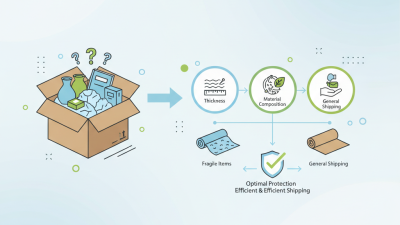
This chart illustrates the top trends in protective packaging innovations for 2026, highlighting the market interest in various sustainable packaging solutions.
Technological Advancements Driving Efficiency in Packaging
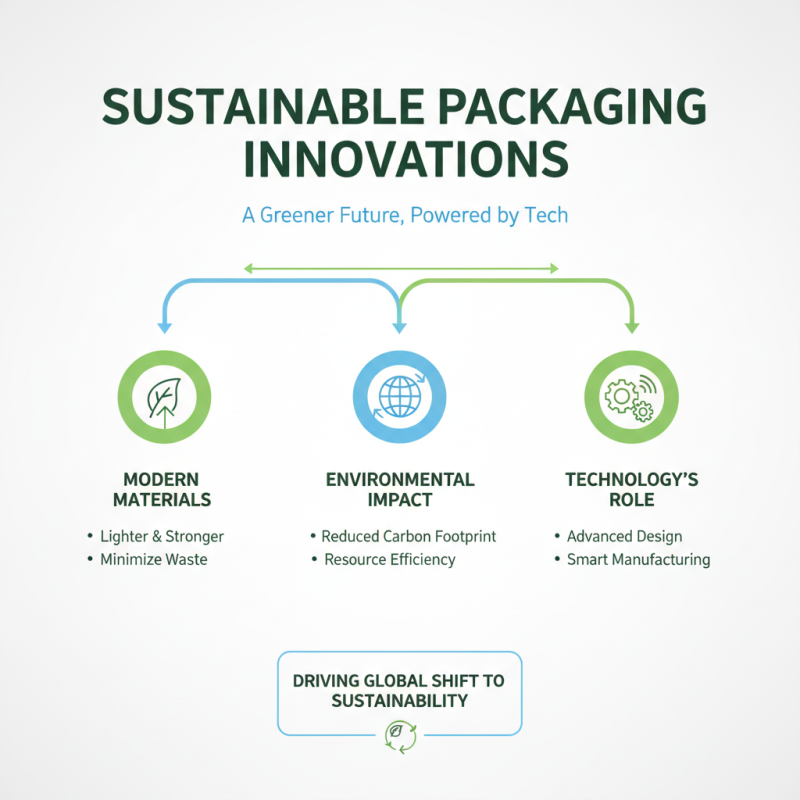
As the world shifts towards sustainability, packaging innovations have surged. Modern materials are lighter yet stronger. They are designed to minimize waste. This helps companies reduce their carbon footprints. Advances in technology play a vital role in this transformation.
Innovative packaging solutions now utilize biodegradable materials. These are designed to break down naturally over time. Intelligent packaging is another trend. It can monitor conditions during transport. However, not all companies have fully adopted these practices. Some still rely on traditional methods. This raises questions about long-term sustainability goals.
Moreover, smart sensors enhance packaging efficiency. They detect temperature changes or shock. This can prevent damage to sensitive goods. Yet, the implementation of such technologies can be costly. Smaller businesses might struggle to keep up. It is clear that the journey towards efficient, eco-friendly packaging isn't straightforward. Progress is essential, but challenges remain.
Customization Trends in Protective Packaging Design
Custom packaging is gaining traction in protective packaging design. Companies want to showcase their brand identity. Unique shapes, colors, and materials make products stand out. Customization attracts attention on shelves and online.
Tips: Consider sustainability. Use eco-friendly materials for packaging. Customers appreciate brands that care about the environment. Think about how packaging can be reused or recycled. This increases positive brand perception.
Another trend is minimalism. Simple designs can communicate messages clearly. However, balance is key. Too little information can confuse customers. It’s essential to get feedback on design choices. Testing different prototypes can reveal what works best.
Incorporating technology can elevate packaging. QR codes can enhance customer engagement. They can lead to interactive experiences. Yet, tracking customer responses can be challenging. It's vital to continually assess the effectiveness of these innovations.
2026 Top Trends in Protective Packaging Innovations and Materials
| Trend |
Description |
Materials Used |
Customization Options |
| Sustainable Materials |
Increased focus on eco-friendly packaging solutions. |
Biodegradable plastics, recycled cardboard |
Custom shapes and sizes for sustainability |
| Smart Packaging |
Integration of technology to track and monitor product condition. |
RFID tags, QR codes |
Personalized tracking features |
| Lightweight Packaging |
Reduction in packaging weight to lower shipping costs. |
Thin corrugated materials, foam inserts |
Tailored dimensions for lighter designs |
| Minimalist Design |
Emphasis on simplicity and functionality in packaging. |
Uncoated paper, clear films |
Monochromatic designs with custom prints |
| E-Commerce Packaging |
Design tailored for online shipping to enhance unboxing experiences. |
Rigid boxes, padded envelopes |
Branded inserts and promotional packaging |